
Aggressive Dog Training in Snohomish County
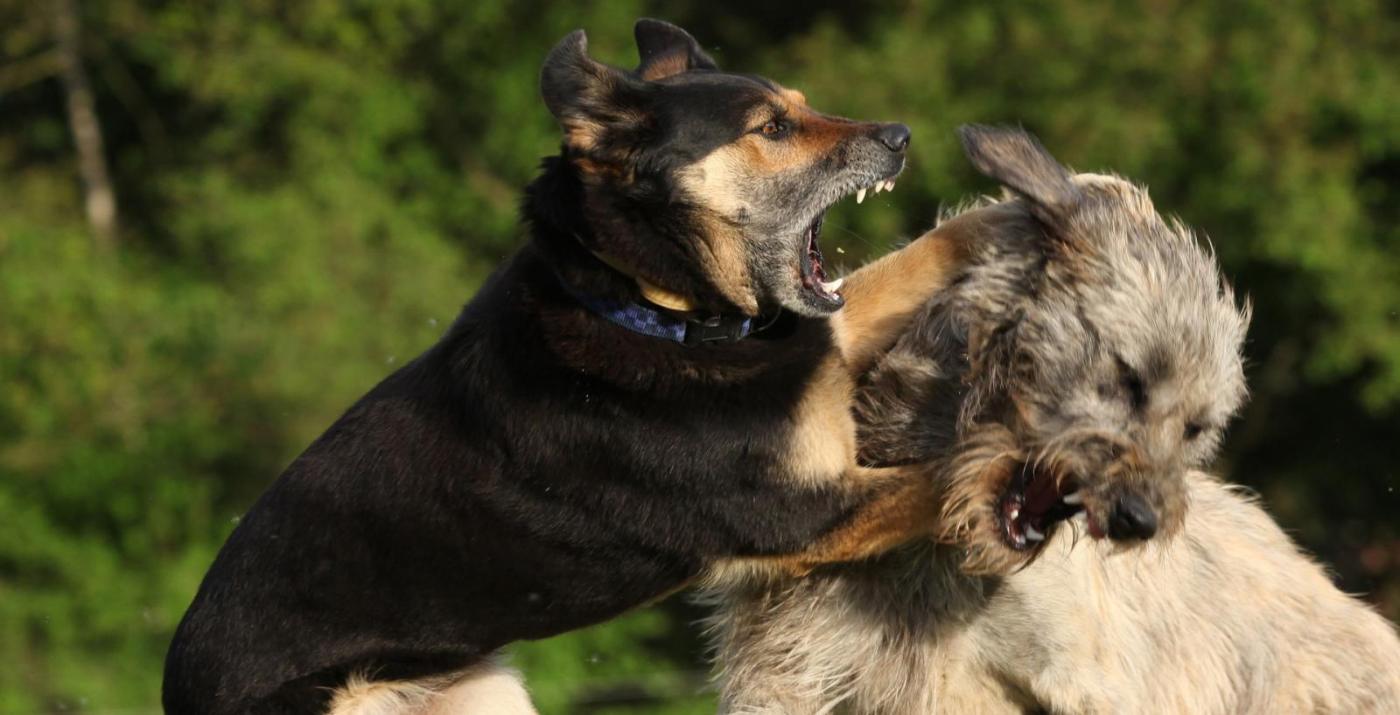
Living with a dog that shows aggressive behavior is stressful, and it can feel isolating. Whether your dog has snapped at a family member, lunged at strangers on a walk, or gotten into fights with other dogs, you're not alone, and this is something we can help with.
Aggression is one of the more complex behavior challenges a dog can display, but it's also one of the most important to address. The sooner you get the right guidance, the better the outcome for your dog and your family.
What Causes Aggressive Behavior in Dogs?
Aggression rarely comes from nowhere. In most cases it's a dog communicating fear, frustration, pain, or a need to protect something it values, a person, a space, food, or a toy. Common underlying causes we see include:
- Fear or anxiety, especially around unfamiliar people, dogs, or environments
- Resource guarding, where a dog protects food, toys, or a particular person
- Lack of socialization during puppyhood, leading to discomfort with new people or dogs
- Pain or an underlying medical condition, which can cause sudden behavior changes
- Frustration on leash, often mistaken for aggression when it's actually leash reactivity
- Past trauma or a negative experience, particularly in rescue dogs
- Territorial behavior, where a dog reacts to protect its home, yard, or family
- Over arousal, where excitement or stimulation builds past the point a dog can manage
- Predatory behavior, which can look like aggression but is driven by a different instinct
- Genetics, since some dogs are simply more prone to reactive or aggressive responses by breed or temperament
Understanding the why behind the behavior is the first step in building a plan that actually works, rather than one that just suppresses the symptom temporarily.
Every Dog Aggression Case Is Different
No two aggression cases are alike. A dog that growls at visitors to the home is a very different situation from a dog that reacts to other dogs on leash. That's why we don't take a one size fits all approach. We start by getting a clear picture of what's happening, when it happens, and why, so we can put together a plan that actually makes sense for your dog.
For most aggression cases, we begin with an Initial Behavior Consultation. This gives us the information we need to understand what's driving the behavior and recommend the right next steps, whether that's private lessons, a board and train program, or a management plan.
Types of Aggressive Behavior We Work With
- Aggression directed toward visitors to the home
- Aggression directed toward family members
- Aggression directed toward other people when out in public
- Aggression directed toward other dogs in the home
- Aggression directed toward other dogs in public
- Leash reactivity and frustration based aggression
- Resource guarding around food, toys, or people
What to Expect From an Aggression Consultation
If you're reaching out about aggressive or reactive behavior, here's what the process typically looks like:
We begin with an Initial Behavior Consultation. This includes a full evaluation where we take a history of your dog, observe their behavior directly, and ask questions about when the behavior happens, what triggers it, and how your household has responded so far. Once we have a clear picture, we begin working hands on with your dog and give you a realistic plan for moving forward, whether that means private lessons, a board and train program, or an ongoing management strategy.
A Note on Sudden Changes in Behavior
If your dog has had a sudden shift toward aggressive responses, have your veterinarian rule out any underlying medical conditions before pursuing training. Pain, illness, and neurological issues can all contribute to aggression, and ruling those out is an important first step.
Frequently Asked Questions About Aggressive Dog Training
Is dog aggression something that can actually be fixed?
It's important to understand how different each case can be. One dog showing aggressive behavior with no serious injuries involved is a very different situation from a dog that has caused severe lacerations or wounds to a person, or sent another dog to the vet. Because the range is so wide, it's hard to give a one size fits all answer to whether aggression can be "fixed." This is exactly why it's important to contact a qualified professional to properly assess your specific situation, rather than guessing based on someone else's experience with their dog.
We've resolved many cases for clients whose dogs were exhibiting aggressive behavior and are now living happy, normal lives after training. That said, this isn't a guaranteed outcome for every dog. In some cases, depending on the severity of the situation, we've recommended other options, including rehoming, when that's genuinely the safest and best path forward for everyone involved.
Can an aggressive dog still be around other dogs or people?
Often, yes, with the right training, management tools, and realistic expectations. Some dogs make a full recovery to normal social behavior. Others learn to manage their triggers safely with structure in place. We're upfront with you about what's realistic for your specific dog.
Why is my dog suddenly aggressive when they never used to be?
It often feels sudden, but in many cases there were signs leading up to it that simply went unnoticed. Once one of our trainers starts asking the right questions, we can usually identify behaviors or triggers that had been building for a while, even if they seemed minor at the time. That said, there are cases where a change truly is sudden, and that's often linked to pain, an underlying medical issue, or a stressful experience. We always recommend ruling out medical causes with your veterinarian first, then we can dig into the behavioral side.
Do you work with dogs that have bitten someone?
Yes. Bite history is serious and we take it seriously, but it doesn't mean a dog is a lost cause. We'll do a thorough evaluation to understand the context and severity, then build a plan with safety as the top priority.
How long does it take to see improvement with an aggressive dog?
This varies widely depending on the dog, the cause, and the consistency of training at home. Some families see meaningful change within a few sessions; more complex cases take longer. We'll give you an honest assessment after your consultation.
Ready to Get Started?
The first step is a conversation. Book an initial behavior consultation or reach out through our contact form and we'll help you figure out the right path forward for your dog.
Book a Consultation